
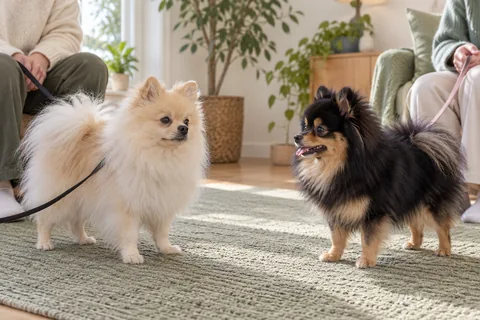
Pomeranian mating and the copulatory tie
Understand natural mating, the tie, repeat appointments and the signs that require veterinary help.
Read article102 articles
Understand natural mating, the tie, repeat appointments and the signs that require veterinary help.
Read articleSeparate maturity, interest, mating ability and fertility, and recognize when reluctance needs a medical assessment.
Read articleA calm waiting plan built around an accurate meeting record, agreed follow-up and the dog's comfort.
Read articleSeparate established findings, working explanations and missing information before another breeding attempt.
Read articleCoordinate the medical appointment and shipment before buying semen doses or booking travel.
Read articleSafe first actions and practical questions for the clinic after an unwanted mating.
Read articleA practical selection process, from the breeding objective to reports and a conversation with the owner.
Read articleSame-breed pairings, size-variety crosses and combinations requiring an approved programme.
Read articleA first season or interest in a partner does not establish breeding readiness. Review health, preparation and registration requirements separately.
Read articleMating is not a necessary health measure for a pet Spitz. Start with the reason for breeding and the care that a whole litter would require.
Read articleSimilar size does not establish a registered variety. Read the exact designation recorded for both dogs before planning a mating.
Read articleA permitted interval does not replace an assessment of the mother. Keep a history of each litter and review the next step for the individual dog.
Read articleHow ovulation differs from egg maturity, what cytology and hormones reveal, and why one calendar day cannot suit every dog.
Read articleWhat happens during the four cycle phases, why discharge and behaviour change, and which observations are actually useful.
Read articleUnderstand the hormonal rise, unit conversion, serial results and the limits of different progesterone analyzers.
Read articleSeparate the general examination, reproductive assessment, breed screening and additional tests by the question each can answer.
Read articleUnderstand purposeful screening, differences between tests and why detecting a microorganism does not always identify the cause of infertility.
Read articleVolume, concentration, total count, movement and cell structure measure different aspects of a semen sample and must be interpreted together.
Read articleTravel and meeting arrangements once the veterinary plan has been agreed.
Read articleDiscuss specific outcomes as well as the price. This planning checklist is not a ready-made contract or legal advice.
Read articlePrepare records for both parents and agree a document schedule before travelling. Clear files make discrepancies easier to resolve in time.
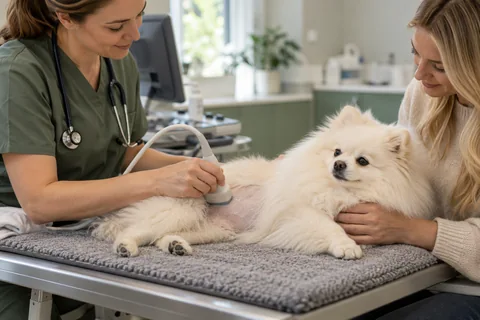
Read articleWhich tests confirm pregnancy, assess the puppies and help establish litter size.
Read articleA simple record that keeps the owner, helpers and veterinary team working from the same information.
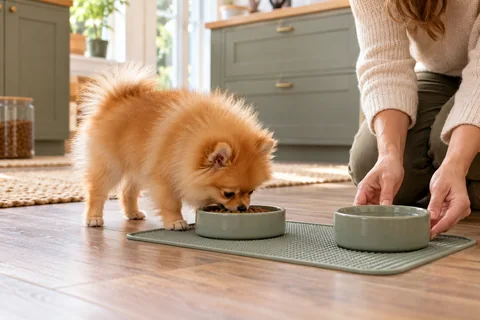
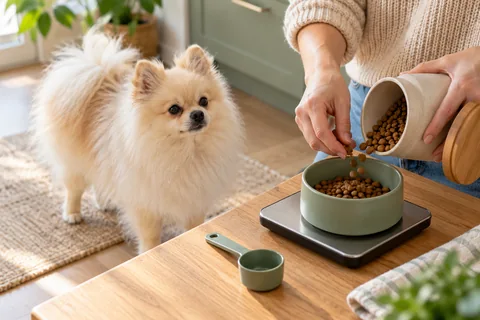
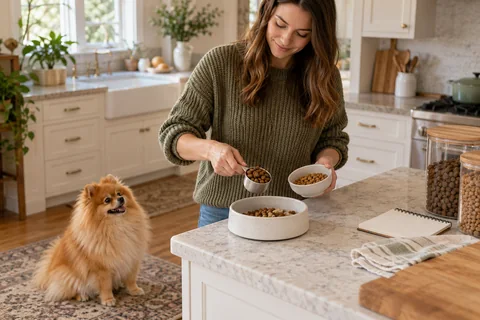
Read articleA practical way to review food intake and body condition without prescribing one portion for every Pomeranian.
Read articleHow to make an individual plan when a scan suggests a single puppy.
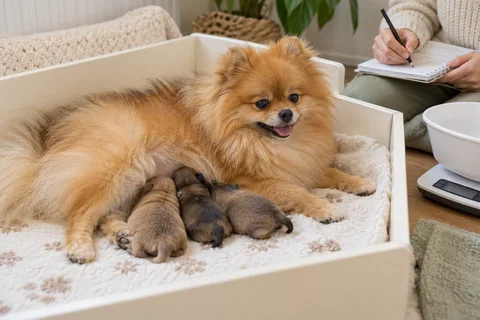
Read articleArrange the room, equipment and veterinary support before labour begins.
Read articleWhat to observe and record while keeping the veterinary plan close at hand.
Read articleWhen to contact the clinic and what information to have ready.
Read articleArrange support for both mother and puppies and make the discharge plan clear.
Read articleKeep the mother's recovery and the puppies' records together, with clear reasons to seek an examination.
Read articleConcerning changes in a nursing mother and why emergency treatment differs from routine supplements.
Read articlePractical records and careful observation without attempting unfamiliar medical procedures.
Read articleWhat to prepare in the puppy's routine and records before the move.
Read articleHeart, knees, eyes and family history: how to read the reports rather than rely on a certificate badge.
Read articleA number on the scales is only part of the assessment. What to discuss before breeding a very small female.
Read articleCommon ancestors, incomplete pedigrees and the limits of a single breeding score.
Read articleA clear panel concerns the variants tested, not every possible disease. Compare the proposed parents using exact test names and complete reports.
Read articleWhat a photograph can show, and what needs a laboratory report.
Read article“Good knees” is not a complete result. Request the full examination record and discuss what it means for the individual dog and proposed pairing.
Read articleA breeding screening record and an investigation of coughing answer different questions. Tell the vet about symptoms before choosing a mating date.
Read articleA photograph of a full coat cannot replace the dog's skin history. Clarify the diagnosis, earlier treatment and unanswered questions before choosing a partner.
Read articleVaccines have different schedules. Small size does not mean half a dose; prepare the history and agree on follow-up.
Read articleOne product may not cover every risk. Discuss protection at home, on walks and during travel with your veterinarian.
Read articleItching is a symptom, not an automatic allergy diagnosis. Bring a useful history and avoid changing several products at once.
Read articleTear stains can be cosmetic; a painful eye is not. Learn what to observe without unnecessary deep cleaning.
Read articleStop activity, start cooling and contact a veterinarian when heatstroke is suspected. Apparent improvement does not remove the need for assessment.
Read articleSlowing down, night-time restlessness and avoiding familiar activities should not automatically be attributed to age.
Read articleA growing puppy needs suitable food and a workable routine. What to ask the breeder, what to record and when to review the plan with your veterinarian.
Read articleStart with the individual dog and the food’s intended purpose. A practical way to compare labels, contact manufacturers and keep a useful feeding record.
Read articleFood grams depend on energy density and the individual dog. A worked calculation and a practical way to record portions and body condition.
Read articleA food change needs a clear reason, enough of the old product and a record of both amounts. A practical plan for preparation and observation.
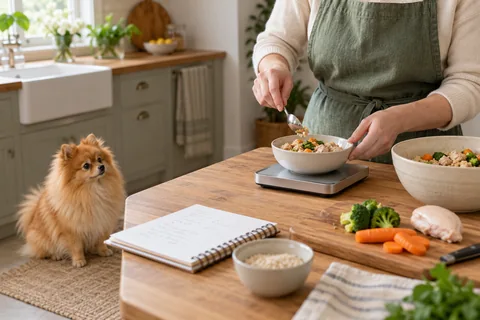
Read articleHome-prepared food does not have to be raw. Consider nutritional completeness, infection risk and the practical work of following a formulated recipe.
Read articleRewards count toward daily intake, and some familiar human foods require an urgent veterinary call. A label checklist and household response plan.
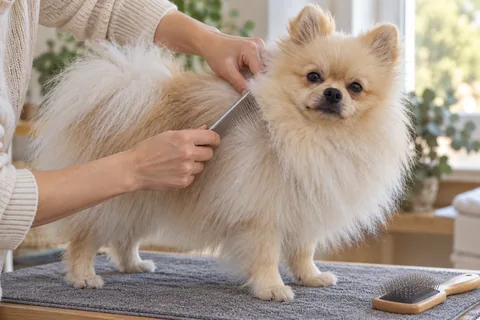
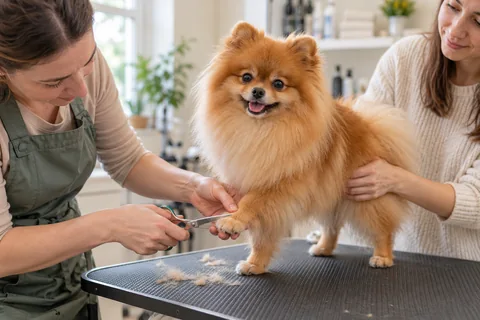
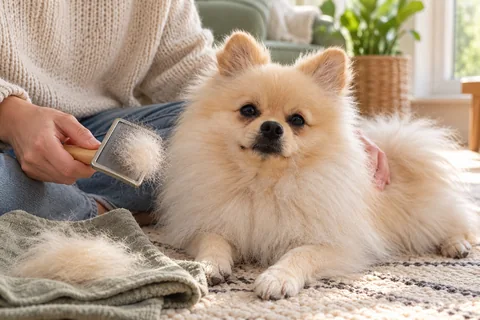
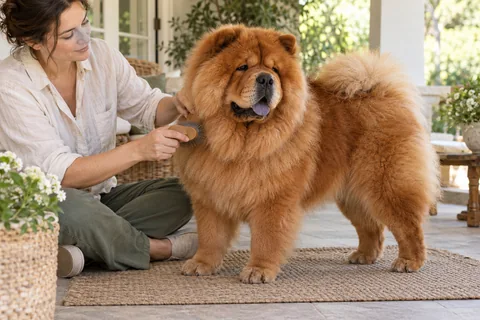
Read articleA practical brushing routine that checks beneath the fluffy surface. Learn where tangles start and when to stop.
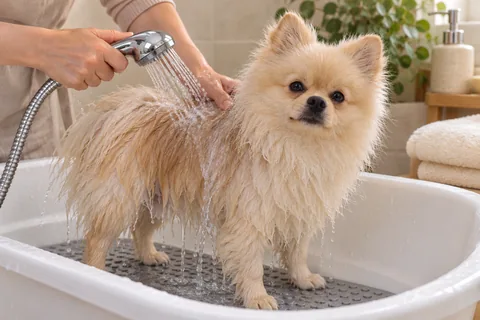
Read articleAllow time for the whole bath, including the undercoat. Separate ordinary grooming from veterinarian-prescribed skin treatment.
Read articleDiscuss length and purpose before choosing a style. Medical clipping and severe matting need a different decision from a cosmetic haircut.
Read articleThe amount of hair on the sofa is only one clue. Look at the skin, the distribution of the coat and how your dog feels.
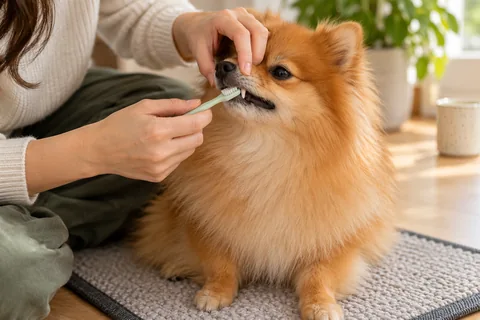
Read articleA toothbrush helps control plaque; pain and existing dental disease need assessment. Questions to ask before a dental procedure.
Read articlePractise one clear action before attempting an entire bath. Keep training separate from care that already needs urgent attention.
Read articleBreed descriptions can guide questions but cannot predict every response. Build an observation profile before choosing a dog and during everyday life.
Read articleUnderstand how actions become linked with outcomes. Practical examples of simple skills and what to change when an exercise stops working.
Read articleWindow barking and barking during absence may need different plans. Start with the context, then choose an environmental change and a manageable skill.
Read articleObservation, manageable steps and backup care are more useful than an endurance test. Recognize when learning a skill needs clinical support.
Read articleBreed and size cannot guarantee compatibility. Arrange everyday space, gradual meetings and boundaries that protect everyone involved.
Read articleHome activities that can be simplified for the individual dog. Aim for an interesting, achievable task rather than a record for exhaustion or difficulty.
Read articleFinding your way among companion, sled, hunting and herding breeds.
Read articleZwerg, Klein, Mittel, Gross and Wolfsspitz/Keeshond in one comparison.
Read articleA Pomeranian takes up little space but still needs care and training. Compare your household's actual routine with the needs of the dog you are considering.
Read articleKleinspitz is a distinct size variety, not a haircut to choose from a photograph. Records, behaviour and a workable household routine matter more.
Read articleMittelspitz is the medium German Spitz variety. Meet adult dogs on walks, during training and at home before deciding how the breed fits your life.
Read articleGroßspitz is a named variety, not a label for any large Spitz. Explore how its watchdog background fits with modern household life.
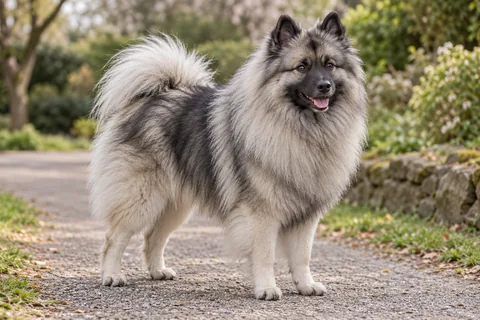
Read articleGet to know adult Keeshonden through home routines, grooming and real health records. A show photograph cannot provide the whole picture.
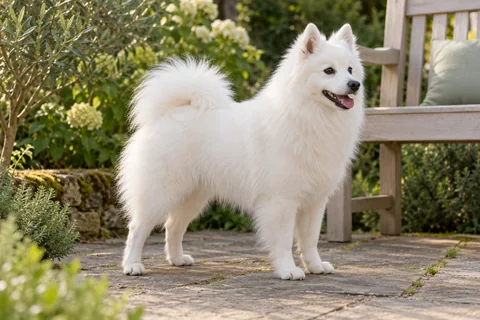
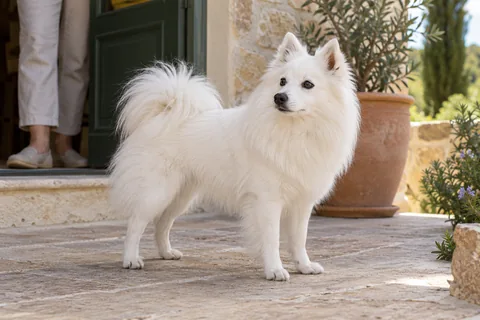
Read articleThe Japanese Spitz is a distinct companion breed. A white coat does not require constant bathing, and small size does not remove the need for walks and training.
Read articleA distinct Italian breed whose small size comes with a lively watchdog outlook. Learn how it differs from a Pomeranian and what daily life involves.
Read articleThe Eskie is a distinct American companion breed. An Arctic-sounding name and a fluffy appearance do not explain its real training and household needs.
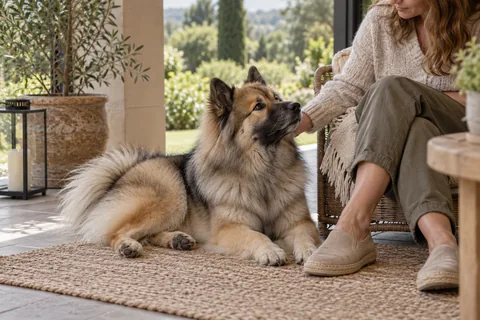
Read articleDeveloped as a family companion, the Eurasier combines closeness to its people with reserve towards strangers. Both traits matter when choosing the breed.
Read articleBehind the white coat is a working dog. Exercise, company and grooming need to fit an ordinary household schedule throughout the year.
Read articleThe Husky's sled-work background helps explain its daily needs. Movement, secure surroundings and realistic household expectations belong in the same decision.
Read articleA powerful sled dog developed for freight work. Strength, compatibility with other animals and regular activity are central to choosing a Malamute.
Read articleThe Klee Kai is a distinct companion breed. Calling it a little Husky describes the look, but does not explain its behaviour, ancestry or registration.
Read articleA polar breed closely connected to sled work. Keeping one requires experience, meaningful regular activity and an understanding of group management.
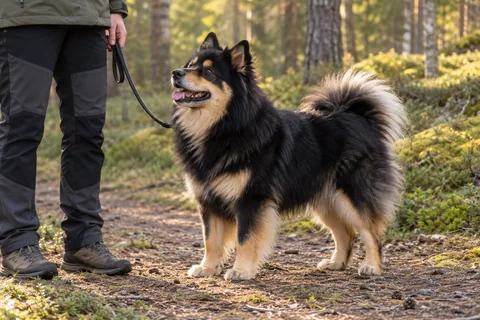
Read articleThe Finnish Spitz has a different working role from German Spitz varieties. Its voice and independence deserve attention before choosing a puppy.
Read articleA sociable northern herder with a substantial coat. Look beyond the appealing photograph when assessing everyday needs.
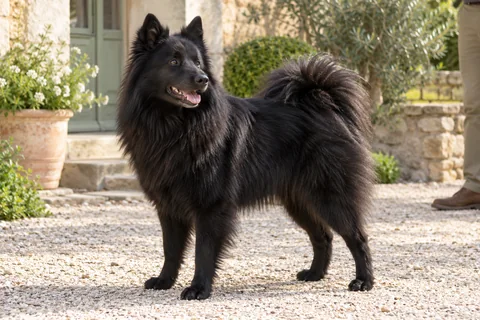
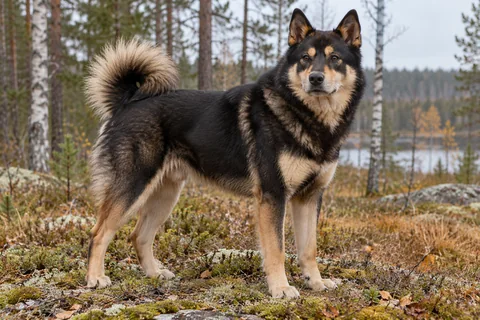
Read articleA sociable working spitz with a dense black coat. Consider useful activity, natural grooming and documented hip and prcd-PRA status.
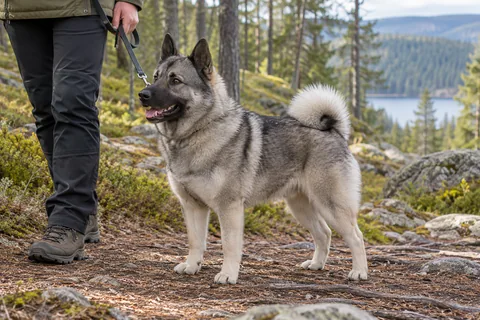
Read articleA sturdy hunting Spitz accustomed to independent decisions. Family life requires more than appreciating its appearance.
Read articleA Buhund wants to take part in family life. Daily activities, barking and verifiable parental health matter more than its convenient size.
Read articleAn engaging companion for a family willing to train and manage barking. Its herding background matters more than its resemblance to ornamental spitz breeds.
Read articleThis low-legged herding spitz needs learning and activity. A practical look at everyday life, puppy choice and breed-related retinopathy.
Read articleCompact size does not make the Norrbottenspets an ornamental pet. Its working needs and safe management deserve attention before appearance.
Read articleA compact appearance does not make a Shiba a decorative toy. Consider the practical consequences for exercise, learning and sharing a home.
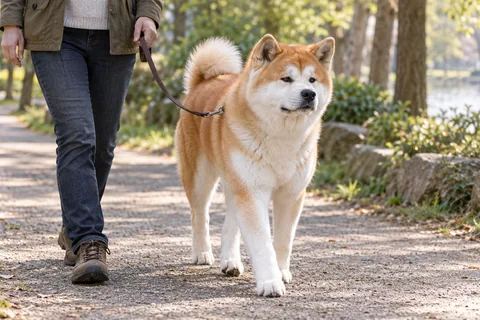
Read articleAn Akita needs more than admiration for a story of loyalty. Plan for an adult large dog, everyday encounters and documented parental screening.
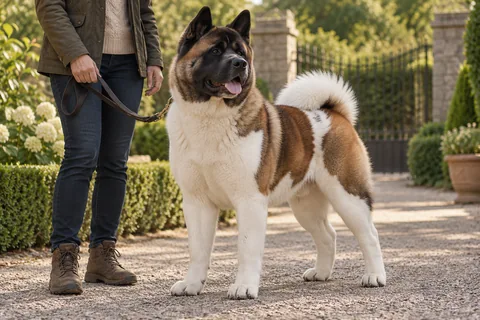
Read articleStrength and independence need thoughtful management. Consider life with an American Akita beyond its striking appearance.
Read articleA reserved companion with a substantial coat and individual social preferences. Practical considerations before buying and during daily care.
Read articleA medium-sized hunting dog with close attachments and independent decisions. Preparing a suitable home and understanding health evidence.
Read articleAn agile Japanese breed that benefits from trust and a secure environment. Applying its hunting background to ordinary companion life.
Read articleA white coat does not make the Kishu a decorative companion. Understanding the needs and suitable home of this Japanese hunting breed.
Read articleThe Shikoku is a distinct Japanese breed, not a large Shiba. Practical expectations for training, household routines and puppy selection.
Read articleA Korean hunting breed with close attachments and independent choices. Planning the home, walks and everyday care.
Read articleA northern working dog interested in shared activities. Why eye colour and an impressive coat are only a small part of choosing one.
Read articleAssess working background, everyday compatibility and health before choosing a Laika. A large garden alone does not meet its needs.
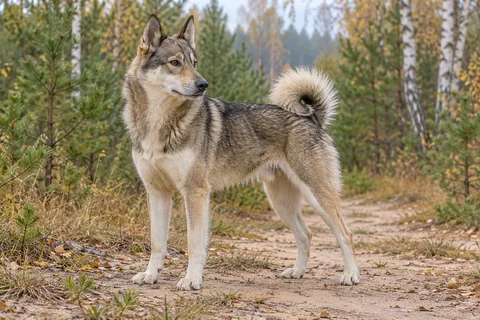
Read articleA powerful hunting Laika needs suitable work and capable everyday handling. Assess the family line and living arrangements before committing.
Read articleA contrasting black-and-white Laika with working needs. Assess the line's purpose, household compatibility and practical daily care.
Read articleNo articles match your search. Try a different word.
These guides draw on veterinary universities, professional manuals and official breeding documents. Country-specific rules are identified. Sources are linked in each article; individual veterinary review is not claimed.
 YouTube
Loading connects you to YouTube, which applies its own data and cookie policies.
Tell us a little about your dog: their name, age and personality. We can take our time talking through preparations and the stud service terms.



























 WhatsApp
 Instagram